Loading...
Serving Morgan Hill, CA and surrounding areas. (669) 286-1397
Morgan Hill Deck & Fence serves Sunnyvale homeowners with Trex deck installation, custom deck design and build, composite decking, pergolas, patio covers, fencing, and deck repair. We work on postwar ranch homes across the city, understand Sunnyvale permit requirements, and reply to every inquiry within one business day.
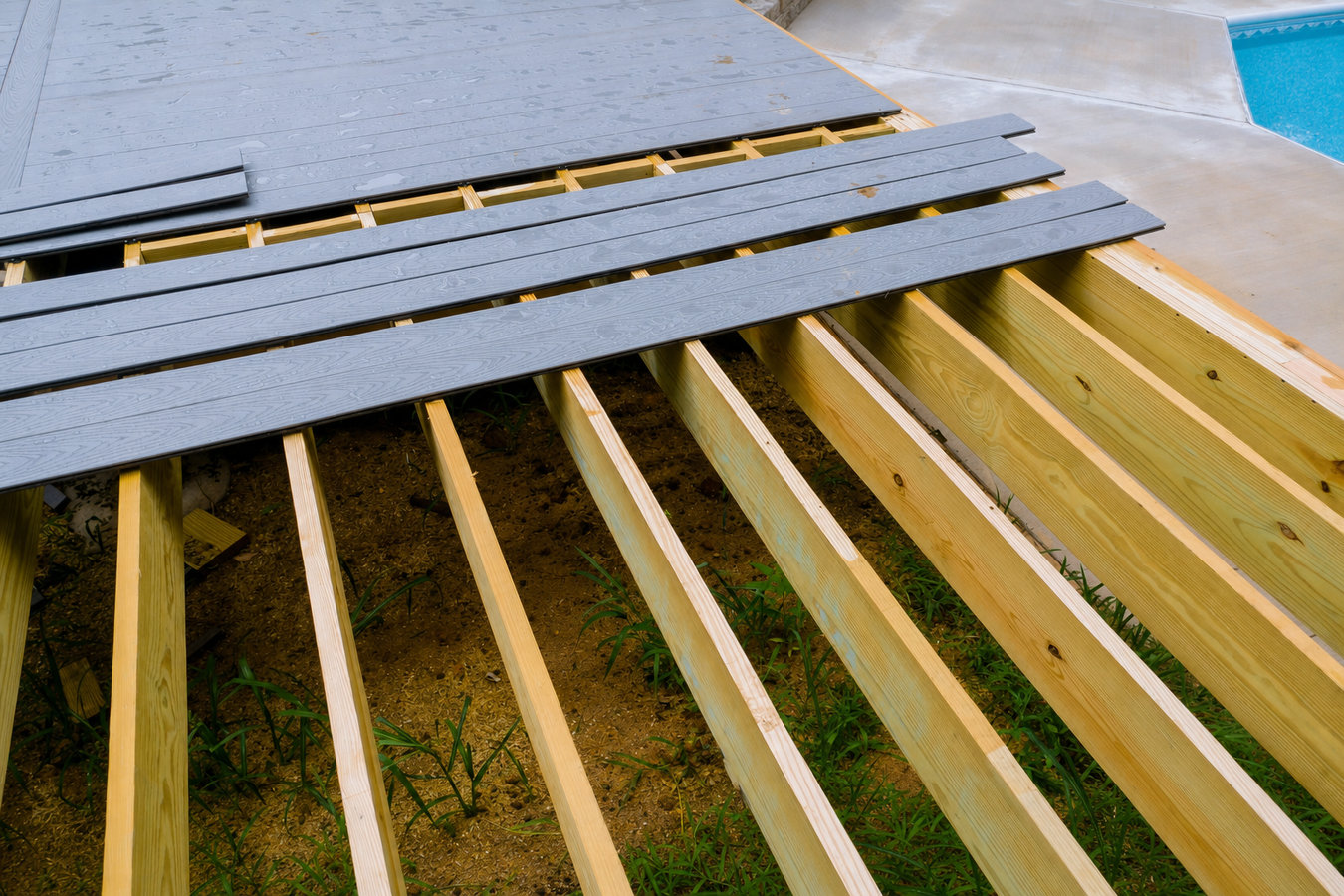
Sunnyvale homeowners with high-value properties often choose Trex because it handles the city's long dry summers and wet winters without the annual sealing and refinishing that natural wood requires. On compact 5,000 to 7,500 square foot lots where every inch of outdoor space matters, a Trex deck that stays looking new for years makes the backyard a reliable part of the home. Our Trex deck installation service covers design, permitting, footing installation for clay soils, and full build from framing to finished surface.
Sunnyvale lots are compact, and a deck that does not account for the actual backyard layout will feel cramped or block access to the side yard. A custom design planned around your specific property layout - door placement, yard depth, sun angles, and how you use the space - produces a deck that fits the home rather than just filling the yard. Many Sunnyvale ranch homes from the 1960s have small concrete slabs that homeowners are ready to replace with a real outdoor living area.
Sunnyvale summers are warm and sunny, with daytime highs regularly in the mid-80s to low 90s from June through September. A backyard patio with no overhead shade is often too hot to use during those months. A pergola over a Sunnyvale deck or patio converts a baked outdoor surface into a shaded gathering space that works spring through fall, and the addition brings visual structure to yards that currently feel open and unfinished.
Sunnyvale neighborhoods built in the 1950s through 1970s often have original wood fences that are now well past their functional life. Vinyl fencing is a practical replacement on compact lots where neighbors sit close together - it provides reliable privacy without the maintenance cycle that wood requires, and it holds up through the wet season without warping or losing structural integrity at the posts. Proper footing depth for Sunnyvale clay soils keeps vinyl posts plumb through the seasonal swell-and-shrink cycle.
Sunnyvale decks added to ranch homes in the 1980s and 1990s are now 30 to 40 years old, which puts them at or past the end of a wood deck's practical lifespan. Soft boards, visible cracking at the ledger connection, or posts that have shifted in the clay soil are all signs a deck needs more than surface repairs. We assess the substructure, not just the visible boards, and recommend repair or replacement based on the actual condition rather than a default answer.
Sunnyvale gets most of its annual rainfall between November and March in a compressed wet season. A covered deck or solid patio roof makes outdoor space usable through that season rather than limiting use to dry days only. It also blocks the intense afternoon sun that hits west-facing Sunnyvale backyards in summer, which is the orientation many lots have given the city's street grid. A patio cover is often the upgrade that makes the outdoor space feel like a real extension of the house.
Sunnyvale has about 155,000 residents and sits at the center of Santa Clara County, surrounded by Mountain View, Cupertino, Santa Clara, and San Jose. The overwhelming majority of single-family homes in Sunnyvale were built between the late 1940s and the mid-1980s - ranch-style houses on compact lots, finished with stucco exteriors and low-pitched roofs. These homes are now 40 to 75 years old, and any deck, fence, or patio cover added in the decades since is itself aging. Median home values in Sunnyvale run well above $1.5 million, which means homeowners here have both the equity and the motivation to keep their properties in good condition. Outdoor living improvements - decks, pergolas, patio covers - return visible value in a market where buyers pay close attention to usable outdoor space.
The clay soils throughout Sunnyvale create a specific structural challenge for any outdoor project with footings in the ground. The expansive clay soils of the Santa Clara Valley swell significantly when wet and shrink back when dry, putting lateral pressure on footings and fence posts year after year. Structures that were installed without accounting for that movement - or with footings too shallow for local soil conditions - show the effects over time in leaning posts, racking deck frames, and cracked concrete patios. Getting the footing specification right at the start is the single most important factor in whether an outdoor structure in Sunnyvale stays level for 10 years or starts showing problems in three. Sunnyvale's hot, dry summers and November-through-March rainy season add the same wet-dry stress cycle on unprotected wood that affects every Santa Clara County city - unprotected wood dries out in summer and absorbs moisture in winter, accelerating rot at the joints and connections that are hardest to inspect.
Our crew works throughout Sunnyvale regularly, and we understand the local conditions that affect deck and fence work here. We pull permits from the City of Sunnyvale Building Division for projects that require them and are familiar with the plan-check and inspection process for both attached decks and freestanding structures. Sunnyvale permit timelines depend on project complexity and current city workload, and we factor that into every project schedule before we start.
Sunnyvale is a city most residents navigate by a few consistent landmarks. Murphy Avenue anchors the historic downtown area with restaurants and shops that make it a regular gathering point. The Caltrain station is a daily reference point for thousands of commuters heading to San Francisco or San Jose. The older residential streets west of El Camino Real and north of the train station have some of the city's densest concentration of postwar ranch homes, while the areas near Lawrence Expressway have seen more newer townhomes and condos in recent years. Lots throughout most of Sunnyvale are compact - typically 5,000 to 7,500 square feet - which means access for equipment and material staging needs to be planned before the work starts.
We serve all of Sunnyvale and the surrounding areas. Neighboring Cupertino to the south is part of our regular service area, as is Santa Clara to the east. Sunnyvale homeowners who call or submit an estimate request receive a reply within one business day.
Reach us by phone or submit an online estimate request. We reply within one business day and ask a few questions about your project before scheduling the on-site visit so the assessment is focused and does not waste your time.
We visit your Sunnyvale property, measure the space, assess soil conditions and any existing structures, and deliver a written quote covering materials, labor, permit fees, and timeline. No surprise costs after the work starts - everything is in writing upfront.
We handle the City of Sunnyvale permit application for projects that require one, including structural drawings for footing design on clay soil lots. Once the permit clears, we schedule the build start and communicate the timeline clearly. Most homeowners do not need to be present during construction days.
When work is complete, we walk through the finished project with you to confirm everything meets the plan. Any city inspection required to close out the permit is scheduled and handled by our team so the project is fully finished and documented before we leave.
We serve all Sunnyvale neighborhoods. Call or submit an estimate request and we reply within one business day - no pressure, no obligation.
(669) 286-1397Sunnyvale sits in the heart of Santa Clara County, bordered by Mountain View to the north, Cupertino and San Jose to the south, and Santa Clara to the east. The city has about 155,000 residents and covers approximately 22 square miles, making it a mid-sized city by Bay Area standards but a dense one. Major tech employers - including LinkedIn, Yahoo, and several large campuses near Lawrence Expressway - are based in Sunnyvale, and many residents work in the tech industry across the broader Silicon Valley area. The city of Sunnyvale has a homeownership rate of about 57 percent, with a long-term, stable population that invests in their properties rather than treating them as short-term holdings.
The housing stock in Sunnyvale is dominated by single-story ranch homes built between the late 1940s and the mid-1980s, most of them stucco-clad with attached garages and modest backyards. The older streets near Murphy Avenue and the historic downtown area have some of the most character-rich homes in the city. Newer townhomes and condos have appeared along El Camino Real and near the Caltrain station as infill development, giving the city a wider range of housing types than it had two decades ago. Homeowners with older ranch homes across Sunnyvale are close to our service area, and we also serve neighboring Cupertino to the south and San Jose to the east with the same range of deck, fence, and outdoor structure services.
Get a one-of-a-kind deck designed and built to fit your yard perfectly.
Learn MorePremium Trex composite decking installed by certified professionals.
Learn MoreDurable pressure-treated lumber decks built to last outdoors.
Learn MoreBeautiful, naturally rot-resistant cedar decks crafted with care.
Learn MoreRestore safety and curb appeal with expert deck repair services.
Learn MoreProtect and refresh your deck with professional staining and sealing.
Learn MoreSafe, slip-resistant pool decks designed for your outdoor lifestyle.
Learn MoreCustom wood and privacy fences that add security and style.
Learn MoreEnjoy outdoor living bug-free with a professionally screened enclosure.
Learn MoreCovered deck structures that extend your outdoor season year-round.
Learn MoreCall or submit an estimate request - we reply within one business day and serve every Sunnyvale neighborhood.